
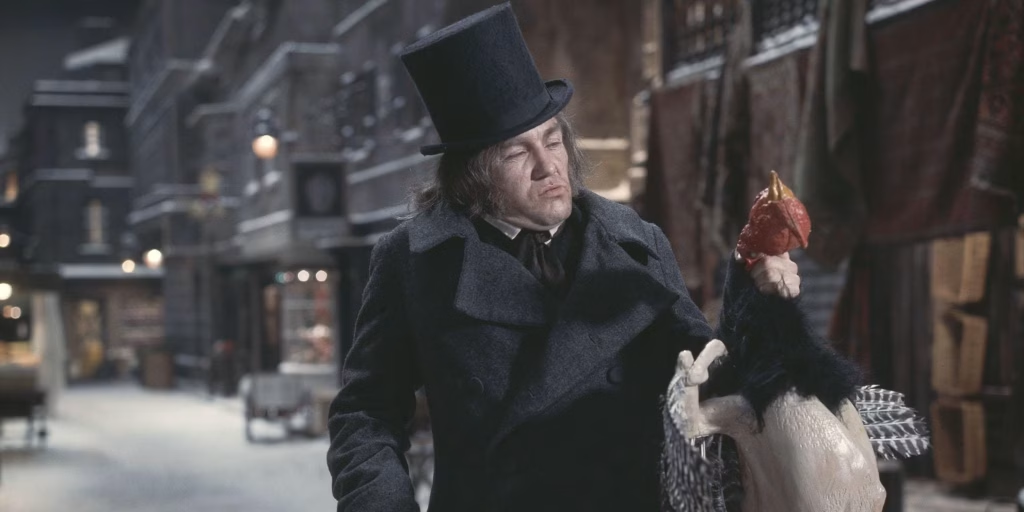
After years of counting coins and tightening purses, Scrooge’s sudden generosity meant more than gifts; it meant a table brimming with abundance, a gesture as much about atonement as celebration. The house, once quiet and austere, now hummed with activity, and the dinner that followed was a spectacle of goodwill. Scrooge, in a rare show of indulgence, had purchased the fattest goose in the market, its golden body promising richness and warmth to everyone at the table.
At the center, the goose was stuffed with breadcrumbs, suet, dried fruits, and fragrant herbs, its roasting filling the room with a heady aroma that mingled with the scent of roasted root vegetables—parsnips, carrots, and turnips—glimmering with caramelized edges. A tureen of pea soup, or perhaps a delicate oyster soup, offered a warming start, setting the tone for a meal that was comforting, hearty, and decidedly Victorian.
Desserts carried their own weight of tradition. A Christmas pudding, dense with suet, dried fruits, and warming spices like nutmeg and clove, steamed patiently while perfuming the air. Mince pies, small and hand-sized, offered sweet counterpoints to the savory plates, while apple tarts and simple cheeses with oatcakes added variety and texture. Even the bread, freshly baked and still warm, had a golden crust that promised it would soak up every bit of gravy. Each dish reflected a Victorian sense of festivity: humble ingredients elevated with care and generosity, a show of abundance that had once been unimaginable in Scrooge’s house.
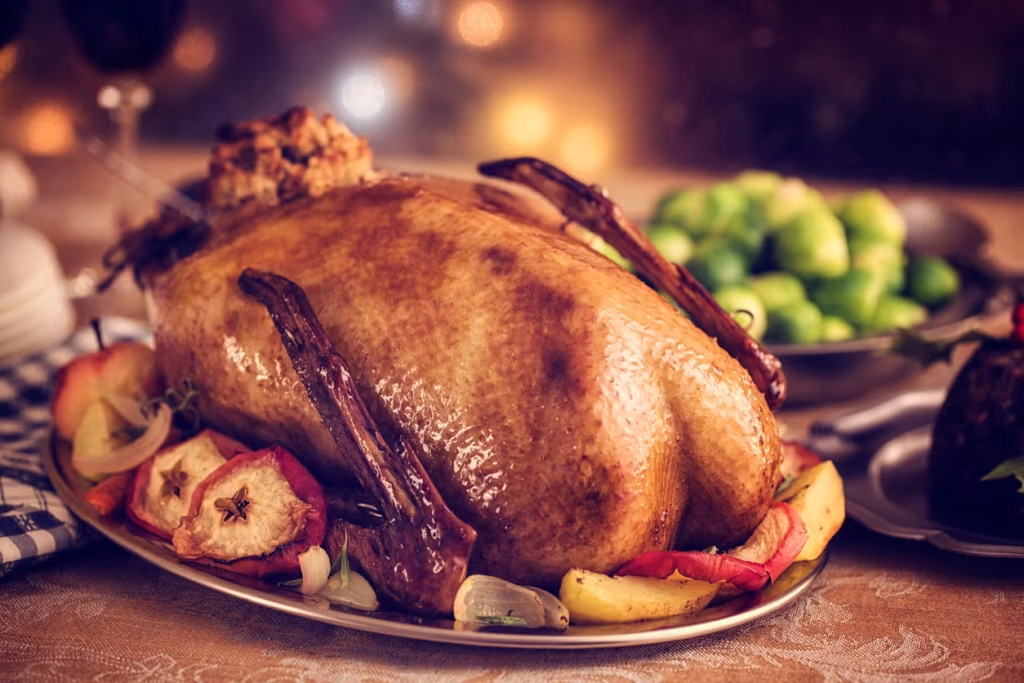
Drinks were just as central. Mulled claret, spiced with cinnamon and citrus, steamed in heavy glasses, while mulled cider and small beer kept conversation lively. Children nibbled gingerbread biscuits, spiced and slightly crisp, occasionally sneaking one from the sideboard when Emily wasn’t looking. Even the youngest diners could sense that this Christmas was different—not just for the food, but for the warmth and laughter that filled the room.
In the kitchen, Emily Cratchit worked methodically to manage the dishes, moving between the oven and stove with care. The pudding required long steaming, the gravy needed constant attention to avoid separating, and the goose’s fat had to be monitored closely to prevent spilling. With steady hands, she coordinated the timing so that each dish was ready at the right moment. By the time the meal reached the table, everything was properly cooked, seasoned, and presented.
The dining table reflected the traditions of a well-prepared Victorian Christmas: polished plates and cutlery, simple brass candleholders for light, and the warmth of the hearth providing comfort during the winter evening. The centerpiece, a roast goose, was complemented by roasted root vegetables, puddings, mince pies, and spiced drinks—dishes that were typical for a holiday feast of the era.


