Every October the old monsters come out to play, and every October there is an argument to be made that the best Frankenstein picture of them all is the one that was played for laughs. Mel Brooks‘ Young Frankenstein opened in December 1974, and more than half a century later it remains that rarest of things, a parody made with so much love for its source that it ends up standing right beside it.
Romance isn’t only about grand gestures; it lives in quiet glances, shared laughter, and the courage to open one’s heart. True love often unfolds in the unassuming moments—a gentle conversation, a nervous touch, or a small act that makes connection unmistakable. It can bloom slowly through friendship, surprise us unexpectedly, or stretch across the years, yet its power is always undeniable, shaping lives and leaving a lasting impression. There is beauty in imperfection and in love nurtured by honesty, patience, and vulnerability.
Love can be playful and exhilarating, full of wit, anticipation, and discovery, or it can be tender and enduring, revealed in shared silences and small gestures that speak louder than words. It thrives in risk and surrender, in trust earned, and in the courage to be fully seen. Romance is not a single experience but a force, a language, and a feeling—ever-present, ever-changing, and always worth embracing in both the ordinary and the extraordinary moments of life.
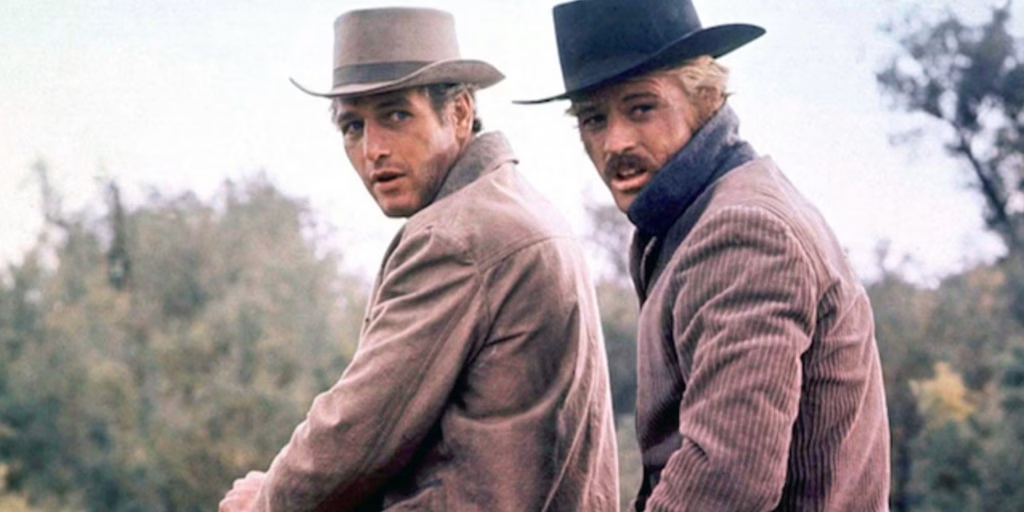
Butch Cassidy and the Sundance Kid remains one of the most cherished achievements in American cinema, due in no small part to the rare alignment of inspired direction and iconic performances. Released in 1969 and directed by George Roy Hill, the film arrived at a moment when Hollywood was rethinking genre storytelling, and Hill proved ideally suited to guide that transition. His direction blends classic Western imagery with a modern, character-driven sensibility, allowing humor, romance, and melancholy to coexist without undermining one another.
Fiddler on the Roof (1971) unfolds with deceptive simplicity. Set in the rural village of Anatevka in early 20th-century Russia, it follows Tevye, a poor milkman, his wife Golde (Norma Crane), and their daughters as they live by long-held customs shaped by faith, family, and community. What begins as an affectionate portrait of tradition gradually reveals itself as a story about how vulnerable that structure becomes when personal choice and historical pressure collide.
Billy Wilder’s Some Like It Hot (1959) remains one of cinema’s most enduring comedies, a film that effortlessly blends sharp wit, sophisticated farce, and pointed social commentary. At its heart, the story follows two down-on-their-luck musicians, Joe (Tony Curtis) and Jerry (Jack Lemmon), who witness a brutal mob hit and flee Chicago disguised as women, joining an all-female band touring Florida. Their ruse sets up a series of comedic entanglements, but beneath the humor lies a sharp exploration of identity, desire, and the constraints of society.
Directed by Richard Brooks and based on the novel by Sinclair Lewis, Elmer Gantry (1960) is a searing critique of hypocrisy and ambition wrapped in the guise of a dynamic drama. The film’s central character, Elmer Gantry, is a fast-talking, charm-laden traveling salesman who discovers the lucrative potential in evangelism, manipulating faith for profit. The film not only casts a sharp eye on the manipulative power of religion but also explores the human desire for fame, power, and redemption.
The 1960s were a time of dynamic change, but one thing remained steadfast: the charm and sophistication ofBreakfast at Tiffany’s. Directed by Blake Edwards and based on Truman Capote’s novella, this film continues to be an iconic beacon of glamor, wit, and romance. It’s a masterpiece that melds sparkling social commentary with memorable characters, and a captivating performance that still resonates with audiences today.