
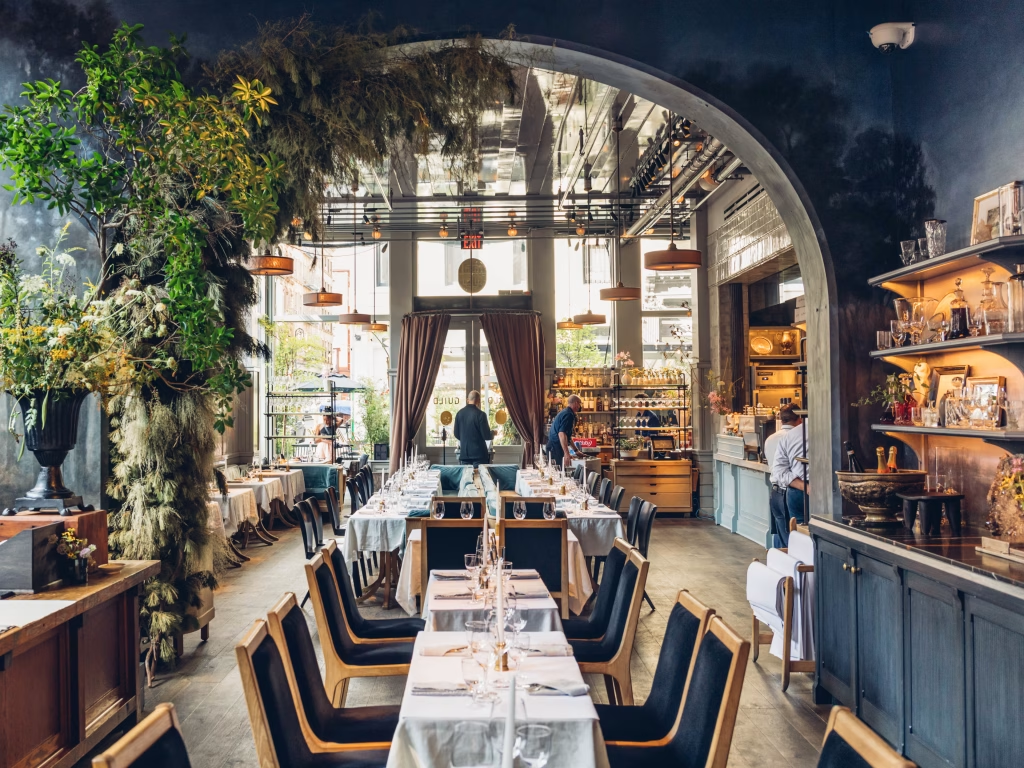
Dallas–Fort Worth has grown into one of the country’s most active dining regions. New restaurants open all the time, longtime favorites keep people coming back, and diners move from one neighborhood to another looking for their next great meal. On any given week, someone is trying a new spot in Dallas, heading to Fort Worth for dinner, or returning to a restaurant that already feels like a regular part of life.
That kind of energy does not begin when the first guests walk through the door. It starts much earlier, with ingredients arriving on schedule, beverage orders being restocked, and kitchen teams building their prep around a steady stream of deliveries. Across DFW, restaurants depend on planning, coordination, and a supply system that keeps working in the background.
Most diners only see the finished dish and the dining room atmosphere. What they do not see is the daily structure behind it all, the one that keeps kitchens stocked, service on schedule, and restaurants ready for the next rush.
Restaurants Depend on Reliable Daily Systems
A restaurant’s day starts long before lunch or dinner service begins. Kitchens open early to check inventory, receive orders, and prep ingredients for the hours ahead. When one part of that routine falls behind, the rest of the day can start to slip with it, especially when menus rely on fresh products arriving exactly when they should.
That level of coordination matters in a region as busy as Dallas–Fort Worth. Chefs and managers are constantly balancing prep schedules, storage space, staffing needs, and supplier timing. Some deliveries show up before sunrise. Others arrive in the brief window between lunch and dinner, when teams are resetting and preparing for the next service.
Consistency matters just as much as creativity. Diners expect favorite dishes to be available whether they stop in on a weekday afternoon or book a table for a weekend dinner. Meeting those expectations takes more than a strong menu. It takes dependable vendors, organized systems, and restaurant teams that know how to keep each part of the day moving in sync.
Those routines may stay out of sight, but they shape every service. Menus shift, concepts change, and neighborhoods continue to grow, yet the day-to-day systems behind each kitchen remain one of the things that keep the DFW dining scene steady.
How Suppliers Keep Kitchens Stocked
Restaurants across Dallas–Fort Worth rely on a steady rhythm of deliveries to stay ready for service. Produce may come in several times a week. Seafood often arrives early in the morning. Beverage distributors restock wine, beer, and nonalcoholic drinks on their own timelines. Every order plays a role in the pace of a working kitchen.
Many restaurants also rely on multiple suppliers. One location may source produce from one distributor, proteins from another, and specialty ingredients from a smaller vendor that focuses on a particular category. That approach helps kitchens manage freshness while making the most of limited storage space.
Reliable distribution matters for restaurants of every size. Small neighborhood spots need it just as much as larger dining rooms. Without a dependable supply network, even a well-run kitchen can struggle to maintain a consistent menu from one service to the next.
Industry reporting has highlighted the strain many food businesses still face behind the scenes. A Food Institute analysis notes that suppliers and operators are continuing to adapt to broader supply chain challenges while trying to keep products moving steadily from producers to commercial kitchens.
In Dallas–Fort Worth, that steady movement helps restaurants stay prepared. It keeps ingredients coming through the door and allows kitchen teams to stay focused on cooking, service, and the overall guest experience.
Delivery Traffic in Major Restaurant Cities
Restaurant districts depend on frequent deliveries, so commercial trucks are a familiar sight near kitchens, loading zones, and side streets. Produce shipments, beverage orders, and specialty deliveries often arrive long before most diners have decided where they want to eat that evening. In busy areas, those vehicles share the road with commuters, rideshare drivers, and pedestrians moving through retail and dining corridors.
Dallas–Fort Worth sees this in a wide range of restaurant neighborhoods, where suppliers move goods from warehouses and distribution points to local kitchens. The same pattern appears in other major food cities, where dense dining districts and commercial traffic often overlap.
Chicago offers another view of how major restaurant markets rely on a steady flow of commercial deliveries moving through busy urban streets. In areas where freight routes and active dining districts overlap, truck collisions can raise concerns beyond those of a standard traffic accident. In such situations, some people may seek a Chicago truck accident lawyer experienced with cases involving large carriers and freight vehicles. In Illinois, firms such as Rosenfeld Injury Lawyers may be involved when commercial trucking incidents lead to more complex cases.
Comparable patterns show up in other restaurant hubs as well. Atlanta, for example, has its own mix of active dining districts, delivery traffic, and commercial corridors where food businesses rely on regular shipments throughout the week. Each metro area has its own pace and layout, but the connection between restaurant logistics and city traffic is common to many major dining markets.
Street Access and City Planning Around Restaurants
Restaurant areas run best when deliveries and street traffic follow a predictable rhythm. Across Dallas–Fort Worth, many popular dining corridors are located where restaurants share curb space with retail shops, office buildings, apartments, and everyday traffic. The timing of one delivery can affect how smoothly an entire block functions.
That is why street access matters. Loading areas, delivery windows, and curb management all help restaurants receive goods without creating unnecessary disruptions for pedestrians or nearby businesses. When those details are handled well, staff can bring deliveries inside efficiently and get back to preparing for service.
Operators also adjust based on the realities of each neighborhood. A restaurant in a denser urban corridor may need smaller, more frequent deliveries. A location with easier access may bring in larger orders only a few times a week. Those differences affect how kitchens store ingredients, organize prep, and plan for service.
Most diners never think about this side of restaurant operations, but it has a real effect on the overall experience. Better access and better timing help keep dining districts active, organized, and well-supplied throughout the week.
Why Strong Restaurant Cities Depend on Good Infrastructure

A strong dining scene depends on more than talented chefs and ambitious menus. Restaurants need transportation routes that work, supplier networks they can rely on, and city infrastructure that allows ingredients and equipment to move from one place to another without constant delays.
That is especially true in Dallas–Fort Worth, where restaurant activity stretches across downtown districts, neighborhood corridors, and suburban centers. Suppliers move products across the metroplex every day, helping kitchens stay stocked and making it easier for restaurants to maintain consistency from one service to the next.
The strength of the region’s food culture is evident in the range of restaurants across the area, from casual local favorites to established dining destinations. That growth is reflected in coverage of the Dallas–Fort Worth culinary scene, which continues to evolve as more neighborhoods develop their own identity around food.
When infrastructure, logistics, and restaurant operations work together, the result is a dining scene that feels active and well supported. Across Dallas and Fort Worth, that support helps kitchens stay ready, dining rooms stay busy, and the local restaurant community continues to grow.
Conclusion
Dallas–Fort Worth’s dining scene continues to expand, with new restaurants joining established favorites across the region. What diners see is the finished experience: a full dining room, a polished plate, and a kitchen working smoothly during service.
What often stays out of view is the steady work that makes all of that possible. Deliveries have to arrive, prep has to stay on track, and restaurants need the right support to keep each day running smoothly.
That behind-the-scenes coordination is part of what defines dining across Dallas and Fort Worth. When kitchens, suppliers, and city systems stay in sync, restaurants are better positioned to do what they do best: welcome people in and serve them well.


