

There’s a certain magic that strikes the traveler who steps onto Irish soil: a gentle mist curling over emerald hills, the distant call of seabirds over rugged coastlines, and the hum of centuries of stories woven into every street and stone. Ireland is a destination and it’s a living tapestry of history, culture, and culinary delights, where the past and present coexist in perfect harmony. From the bustling streets of Dublin to the artistic heart of Galway and the culinary and historical richness of Cork, a journey through this island is a journey through time itself.

In ten days, (seven if you must) visitors can experience the full spectrum of Irish life: grand cathedrals and ancient castles, intimate pubs echoing with the strains of fiddles and bodhráns, markets overflowing with artisan cheeses and fresh seafood, and boutique hotels and historic estates that invite you to linger. This is an Ireland that engages every sense: see the spires of medieval churches reaching to the sky, taste the earthy richness of local cuisine, hear centuries‑old tales whispered in taverns, and feel the Atlantic wind along coastal promenades. It’s a journey that promises both discovery and connection—a chance to immerse yourself fully in the spirit of the Emerald Isle.
Dublin: The Timeless Capital Where History Lives
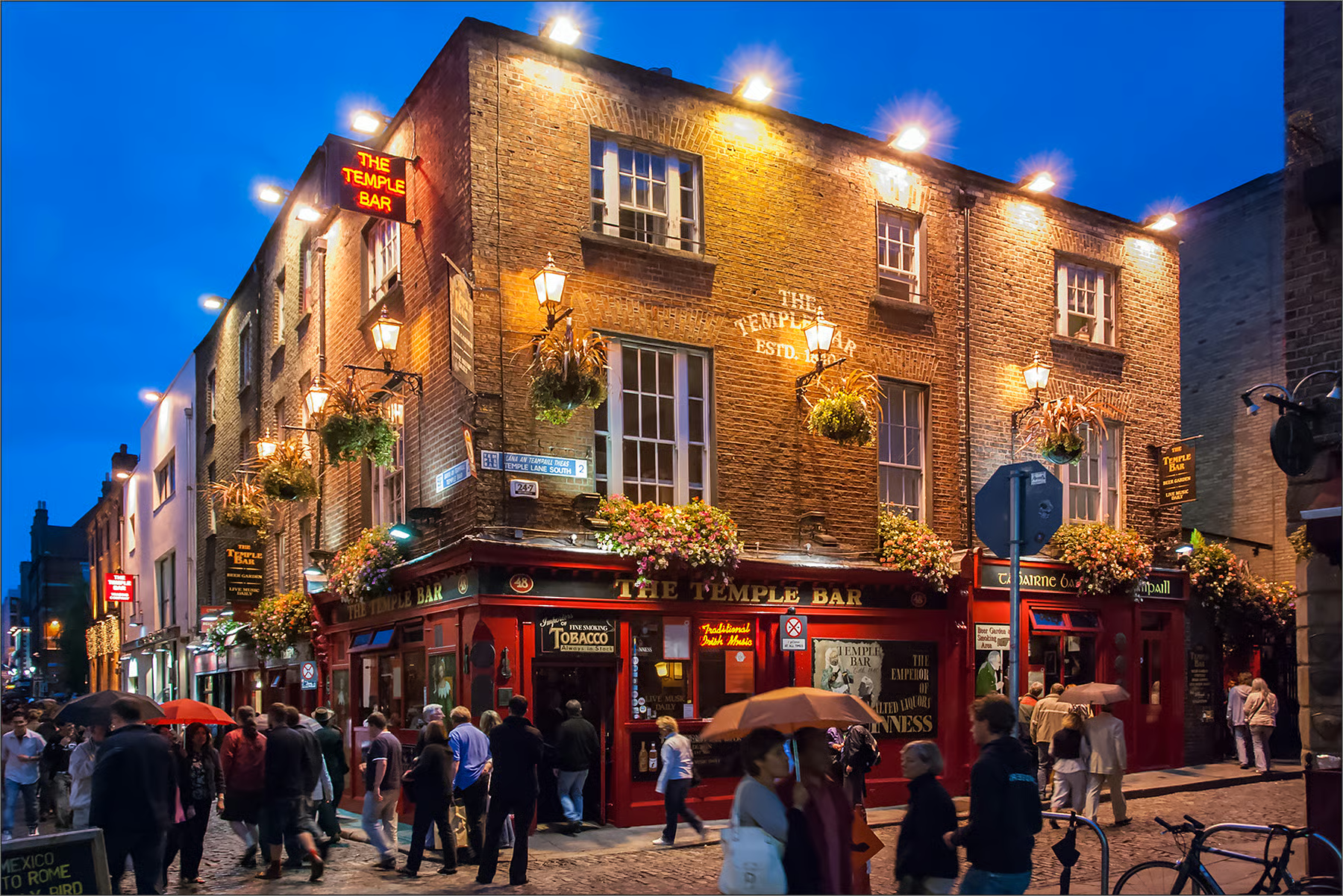
Begin your journey in Dublin, a city whose roots trace back more than a thousand years. The first settlement in the area was built by riverside traders, and by the 9th century the Vikings had arrived, establishing a major trading base. When the Anglo‑Normans invaded in 1170, Dublin rose in importance as the seat of English rule in Ireland. Stroll down cobblestone lanes to see medieval fortifications, Georgian squares, and monuments honoring the revolutionaries of the 1916 Easter Rising and the Irish War of Independence. The city is alive with literary legacy, hidden alleys echoing with the chatter of centuries, and pubs where traditional music still flows late. It’s a city where history isn’t locked in a museum—it’s woven into the sidewalks, the riverbanks, the very rhythm of everyday life.


Accommodations in Dublin range from luxury to budget-friendly. For refined elegance, the College Green Hotel Dublin offers historic charm in a prime location across from Trinity College, with spacious rooms and modern amenities—must-try: the rooftop bar views of the city. The Shelbourne Hotel is an iconic landmark with elegant interiors and exceptional service—don’t miss: afternoon tea in their grand lounge. Travelers looking for a stylish mid-range option will enjoy The Morgan Hotel, combining contemporary design with lively energy—must-do: enjoy their rooftop terrace at sunset. Budget-conscious visitors can find comfort and convenience at Generator Dublin, a modern hostel-hotel hybrid—tip: check out their social events for meeting fellow travelers.


Dublin’s culinary scene is as rich as its history. At The Woollen Mills, enjoy Irish stew and soda bread—must-try for an authentic experience. At The Pig’s Ear, contemporary Irish cuisine shines, particularly the Dublin Bay prawn risotto. Bewley’s Grafton Street Café is perfect for breakfast or coffee—don’t miss: their famous hot chocolate. For fine dining, Chapter One offers tasting menus built on seasonal Irish ingredients—signature dish: roast lamb with root vegetables. FX Browns provides a traditional yet elevated experience with standout steak and seafood. For casual dining, Leo Burdock delivers iconic fish-and-chips—essential bite: battered cod with mushy peas.

Historic and cultural sites abound. The Long Room of Trinity College Dublin houses the Book of Kells. Kilmainham Gaol offers a gripping glimpse into Ireland’s fight for independence. Evening walks through Temple Bar reveal live music and vibrant nightlife. A visit to the Guinness Storehouse combines history with panoramic city views, and shopping on Grafton Street offers both souvenirs and street performances.
Galway: The Artistic Heart on the Wild Atlantic Edge
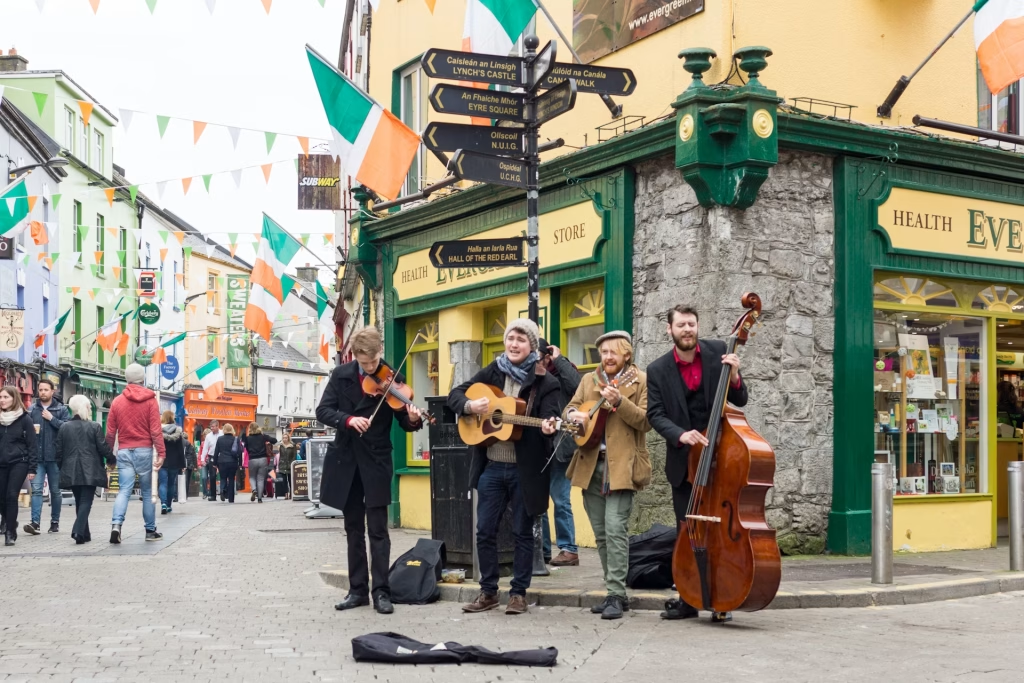
Heading west to Galway, visitors enter a city steeped in history, artistry, and music. Known as the “City of Tribes,” Galway grew from a modest fishing village at the mouth of the River Corrib into a prosperous medieval trading hub under fourteen merchant families. The cobblestone streets of the Latin Quarter still echo this rich past, while modern galleries, boutiques, and cafés bring the city to life. Though Galway faced sieges and economic fluctuations over centuries, it remains an enduring center of Irish culture, blending coastal beauty with lively arts and music scenes.
Lodging options in Galway reflect both luxury and practicality. The Glenlo Abbey Hotel & Estate offers a grand estate setting with elegant rooms overlooking the lake—must-do: explore the gardens and enjoy a traditional Irish breakfast. The House Hotel Galway provides boutique luxury in the heart of town—tip: enjoy the rooftop views of the Latin Quarter. Park House Hotel is cozy and central, perfect for sightseeing—don’t miss: their evening cocktails by the fireplace. Snoozles Hostel & Studios offers social yet private accommodations—must-try: join their evening community dinners.


Galway’s dining is equally diverse. Ard Bia at Nimmos is known for inventive dishes—signature plate: lamb shoulder and seafood chowder. Kai Café & Restaurant emphasizes organic seasonal cuisine—don’t miss: the artisan bread basket. McDonagh’s serves classic fish and chips, done perfectly. Fine dining at Aniar features tasting menus inspired by local ingredients, while The Quay Street Kitchen offers comfort food—highlight: slow-cooked meats with house desserts.

Galway is best explored on foot. Wander the Latin Quarter, visit the Spanish Arch and Galway City Museum, or stroll the Salthill Promenade. A day trip to the Aran Islands offers traditional Gaelic life. Evenings at Tig Coili or The Crane Bar showcase authentic live music, and shopping at St Nicholas’ Market adds artisan flair. Tours of Connemara’s landscapes complete the immersive experience.
Cork: The Rebel City of Southern Grit and Gastronomy

Cork, the “rebel city,” boasts a layered history and a fiercely local identity. Founded around a 7th-century monastery by St Finbarr and influenced by Viking settlers, Cork became an important trading port on the River Lee. Despite centuries of occupation, Cork retains a unique character, blending historical landmarks with a lively contemporary scene. Visitors can explore historic quays, sample fresh produce at the English Market, and experience a city celebrating culinary excellence and its storied past.
High-end travelers will enjoy Hayfield Manor with elegant rooms and an award-winning spa—must-do: afternoon tea in their garden lounge. The River Lee Hotel offers modern comfort and river views—tip: dine in their seafood restaurant. Hotel Isaacs Cork delivers mid-range accommodations with charm and central location, while The Metropole Hotel Cork is budget-friendly—highlight: their rooftop bar with panoramic city views.


Cork’s restaurants are vibrant. Market Lane highlights seafood—don’t miss: the catch-of-the-day platter. Orso Kitchen & Bar offers modern Irish cuisine—slow-cooked beef and desserts are standout. Cafe Paradiso is inventive vegetarian fine dining. Isaacs Restaurant serves Irish classics such as roasted pork belly and local fish. The English Market is a food lover’s paradise with artisanal cheeses, meats, and baked goods.
Cork’s historical sites are compelling. Visit Cork City Gaol, admire St Fin Barre’s Cathedral, take a short trip to Blarney Castle, and explore the Cobh Heritage Centre to learn about emigration and the Titanic. Shopping along MacCurtain Street and Oliver Plunkett Street offers boutiques and artisan goods, while Kinsale provides gourmet food and charming coastal scenery.
Together, Dublin, Galway, and Cork create a rich arc through Ireland’s past and present. Visitors experience imperial capitals, maritime hubs, and culinary meccas. Walking the streets, dining on local cuisine, exploring historic sites, and listening to live music is more than sightseeing—it’s stepping into living Irish history. From pints of Guinness in Dublin, to traditional music in Galway, and fresh seafood in Cork, this journey captures the heart, soul, and flavor of Ireland.


